












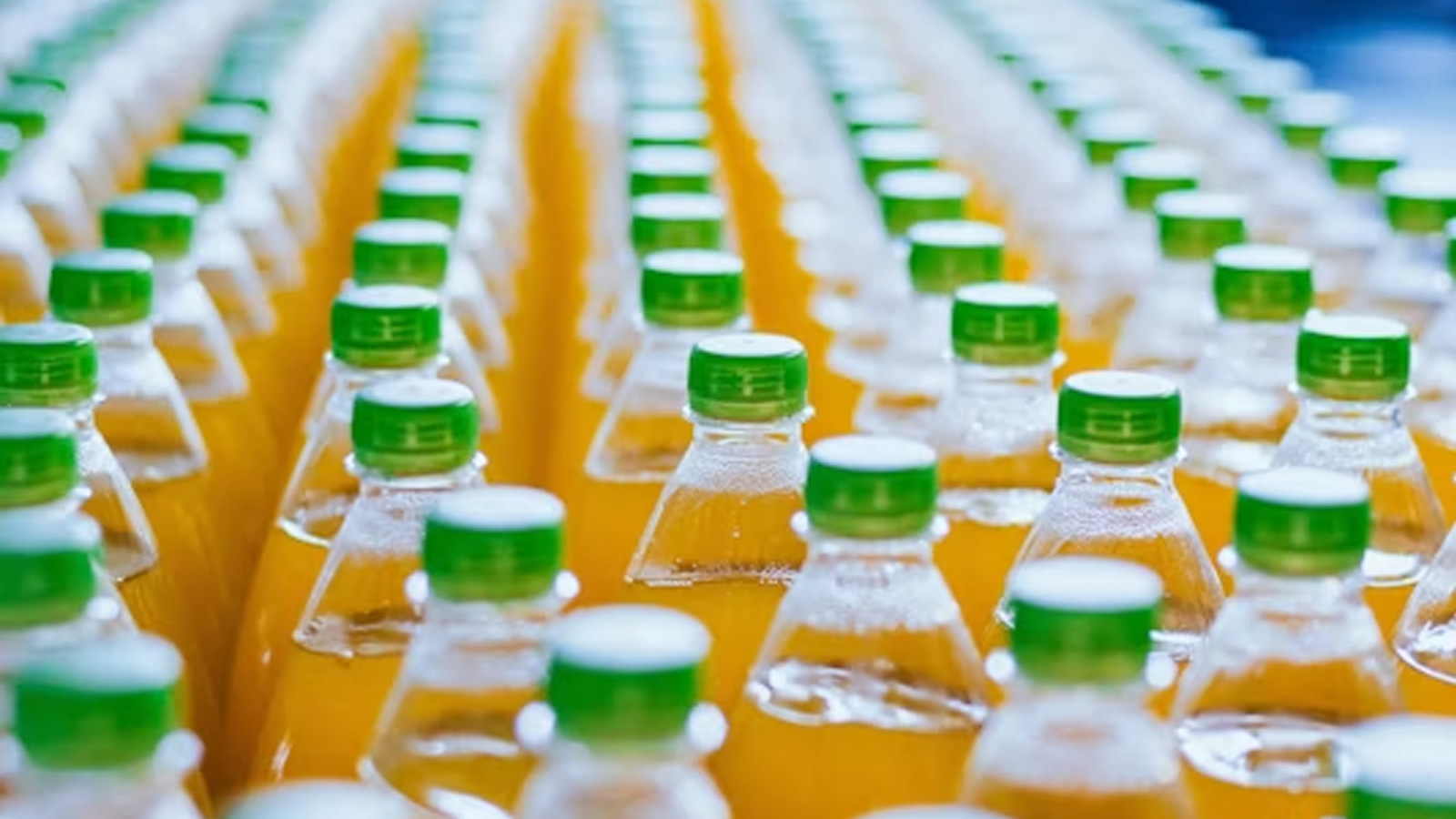
It’s difficult to make a blanket statement about the health effects of packaged beverages, as the nutritional value and ingredients can vary depending on the specific product and flavor. In general, the packaged beverages can be high in sugar and calories, which can contribute to obesity, type 2 diabetes, and other health problems if consumed in excess. Additionally, some flavors may contain artificial colors, flavors, and sweeteners, which have been linked to various health problems.
How the question is how do we find out if a packaged beverage is safe for consumption or not? Here we go. There are some basic factor to consider…
Additives: Packaged beverages often contain a range of additives, such as sweeteners, preservatives, and artificial flavors. Some of these additives have been linked to health problems, including obesity, diabetes, and behavioral issues.
Sugar content: Many packaged beverages, particularly soft drinks, contain high levels of sugar, which can contribute to obesity, type 2 diabetes, and other health problems.
Artificial sweeteners: Some packaged beverages contain artificial sweeteners, such as aspartame, saccharin, and sucralose. While these sweeteners are generally considered safe by regulatory agencies, some studies have suggested that they may have negative health effects, such as an increased risk of cancer, headaches, and digestive problems.
Bisphenols: Some packaged beverages, particularly those in plastic containers, contain bisphenols, such as bisphenol A (BPA). These chemicals can leach out of the packaging into the beverage and have been linked to various health problems, including cancer, infertility, and behavioral issues.
Caffeine content: Some packaged beverages, particularly energy drinks, contain high levels of caffeine, which can have negative effects on health, such as anxiety, palpitations, and dehydration.
At the same time we must know what all harmful chemicals that can be found in packaged beverages…
Bisphenols: Bisphenols, such as bisphenol A (BPA), are commonly used in the production of plastic containers for beverages. These chemicals can leach out of the packaging into the beverage and have been linked to various health problems, including cancer, infertility, and behavioral issues.
Artificial sweeteners: Artificial sweeteners, such as aspartame, saccharin, and sucralose, are often used as sugar substitutes in packaged beverages. Some studies have suggested that they may have negative health effects, such as an increased risk of cancer, headaches, and digestive problems.
High fructose corn syrup: High fructose corn syrup is a sweetener often used in packaged beverages, particularly soft drinks. This sweetener has been linked to obesity, type 2 diabetes, and other health problems.
Artificial colors and flavors: Many packaged beverages contain artificial colors and flavors, which have been linked to various health problems, including behavioral issues, allergies, and digestive problems.
Preservatives: Some packaged beverages contain preservatives, such as sodium benzoate, which can have negative effects on health, such as an increased risk of cancer and behavioral issues.
Caffeine: Some packaged beverages, particularly energy drinks, contain high levels of caffeine, which can have negative effects on health, such as anxiety, palpitations, and dehydration.
In conclusion, while some packaged beverages may be safe to consume, it is important to be aware of the ingredients and potential health risks associated with specific products. Consumers should always read the label and make informed decisions about what they are consuming. Additionally, it’s important to drink in moderation and to consume a balanced diet that includes plenty of fresh fruits and vegetables.