









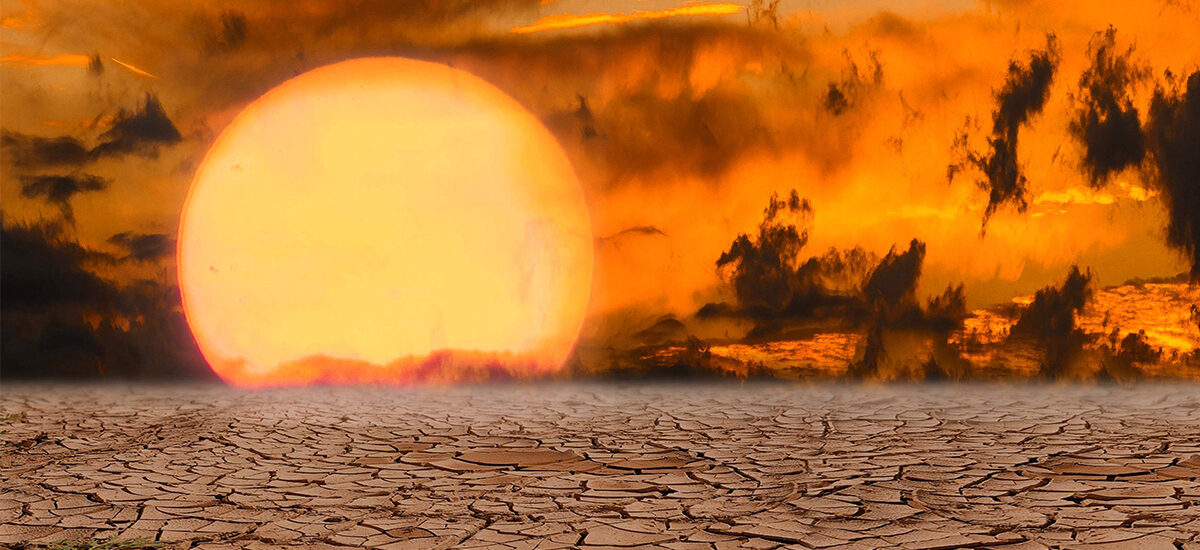








China generates around 30% of emissions, the United States is responsible for almost 14%, and India contributes about 7% of all global emissions.

Over 40% of the present global pollution already lives in places that are highly vulnerable to climate impacts. This means climate change can disrupt food availability and reduce access to food as well.

In India, more than one million tones of textiles are thrown away every year, with most of this coming from household sources, according to the Indian Textile Journal.
62,000+ different types of harmful chemicals are used in daily […]
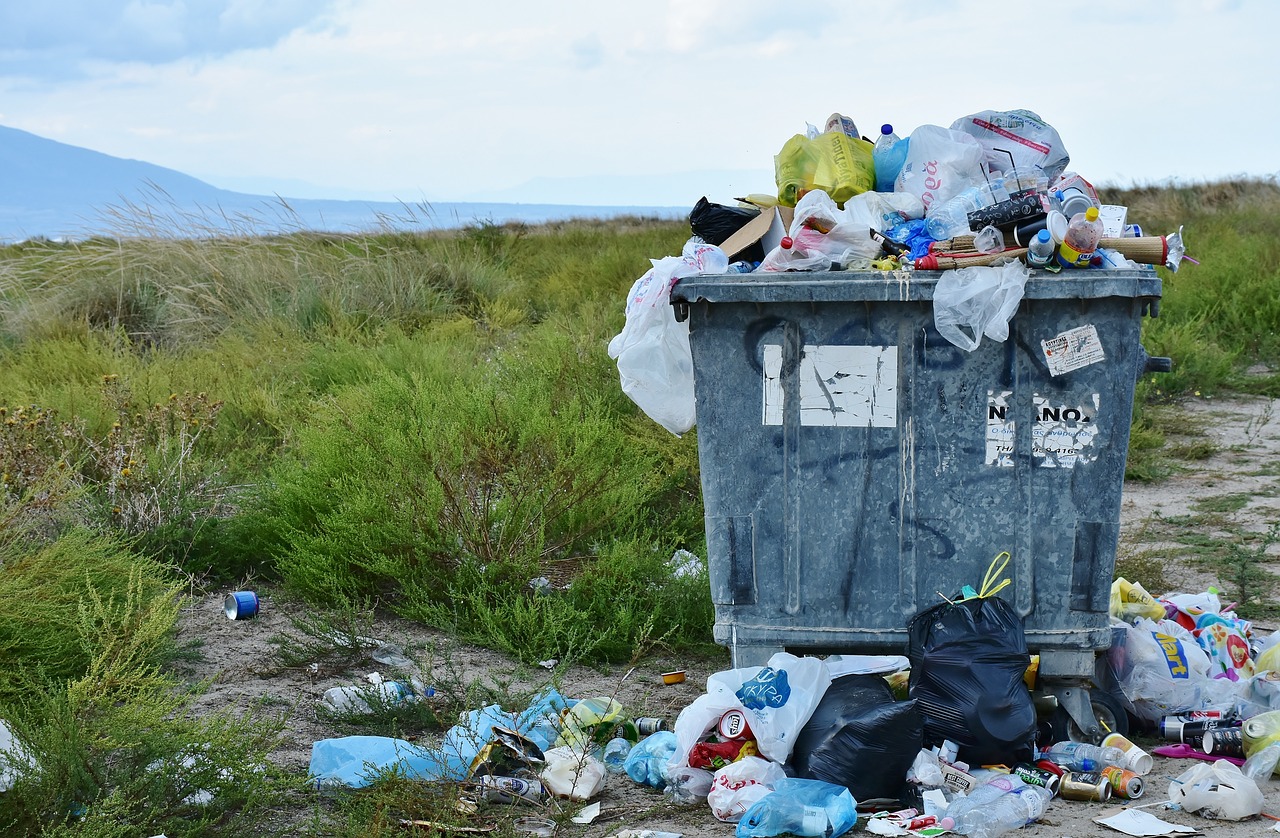
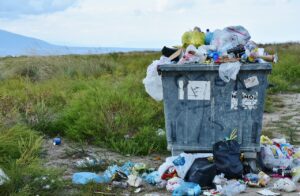
One of the easiest ways to practice conscious consumption is by reducing waste

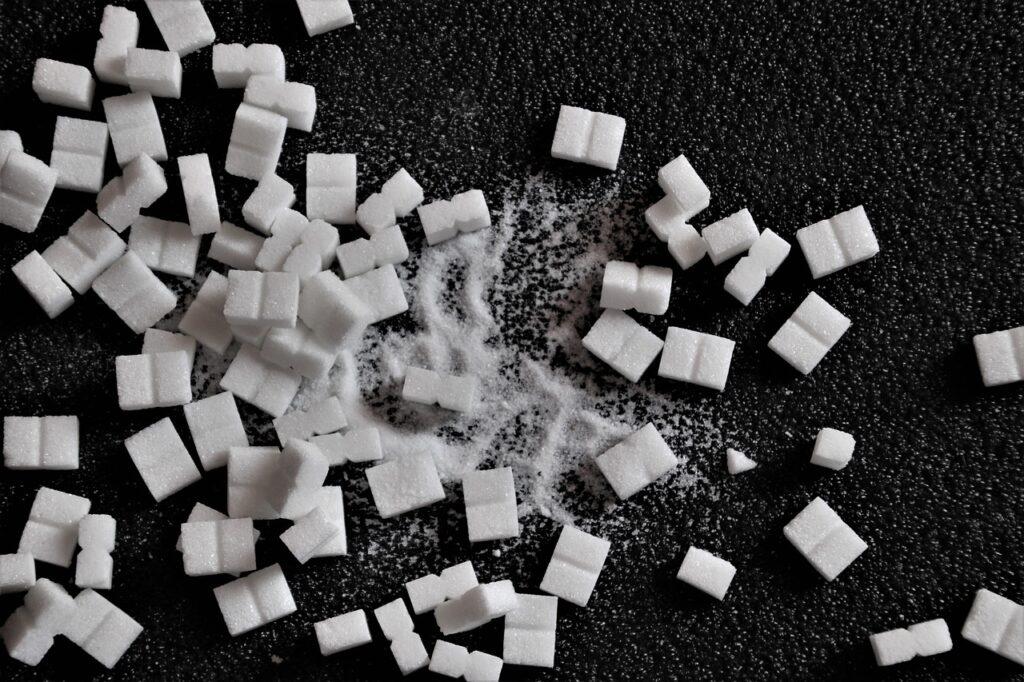
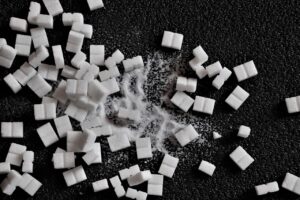
Sulfur dioxide, a common bleaching agent, is often used to whiten white sugar. This chemical can cause respiratory problems in some individuals and has been linked to certain types of cancer.
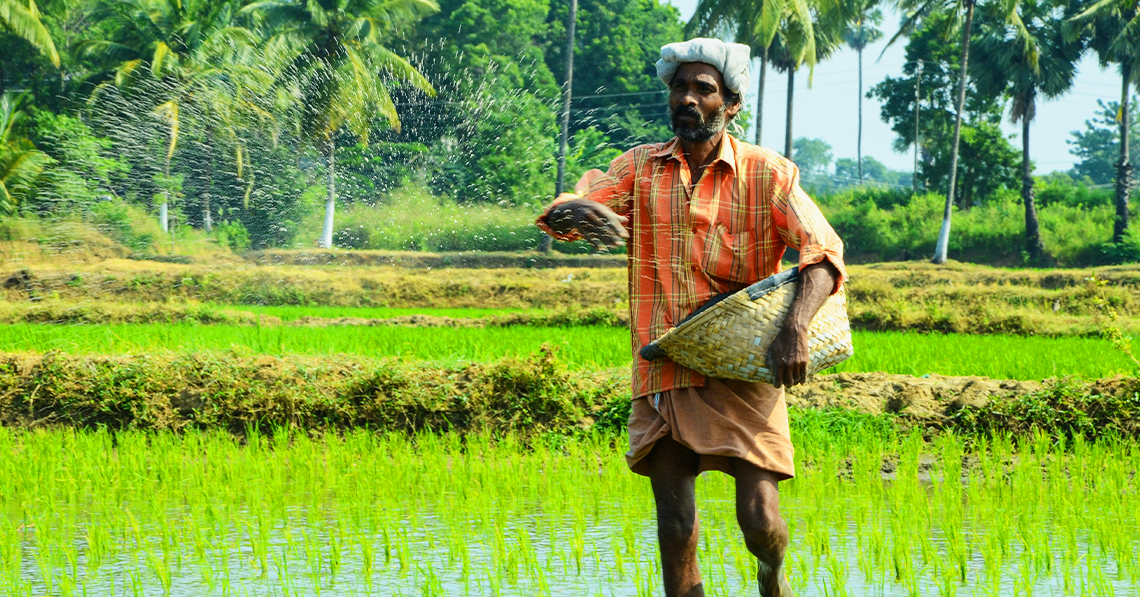
“By harnessing the power of science, policy, and farmer-led initiatives, India can secure a sustainable and prosperous future for its agriculture sector.”
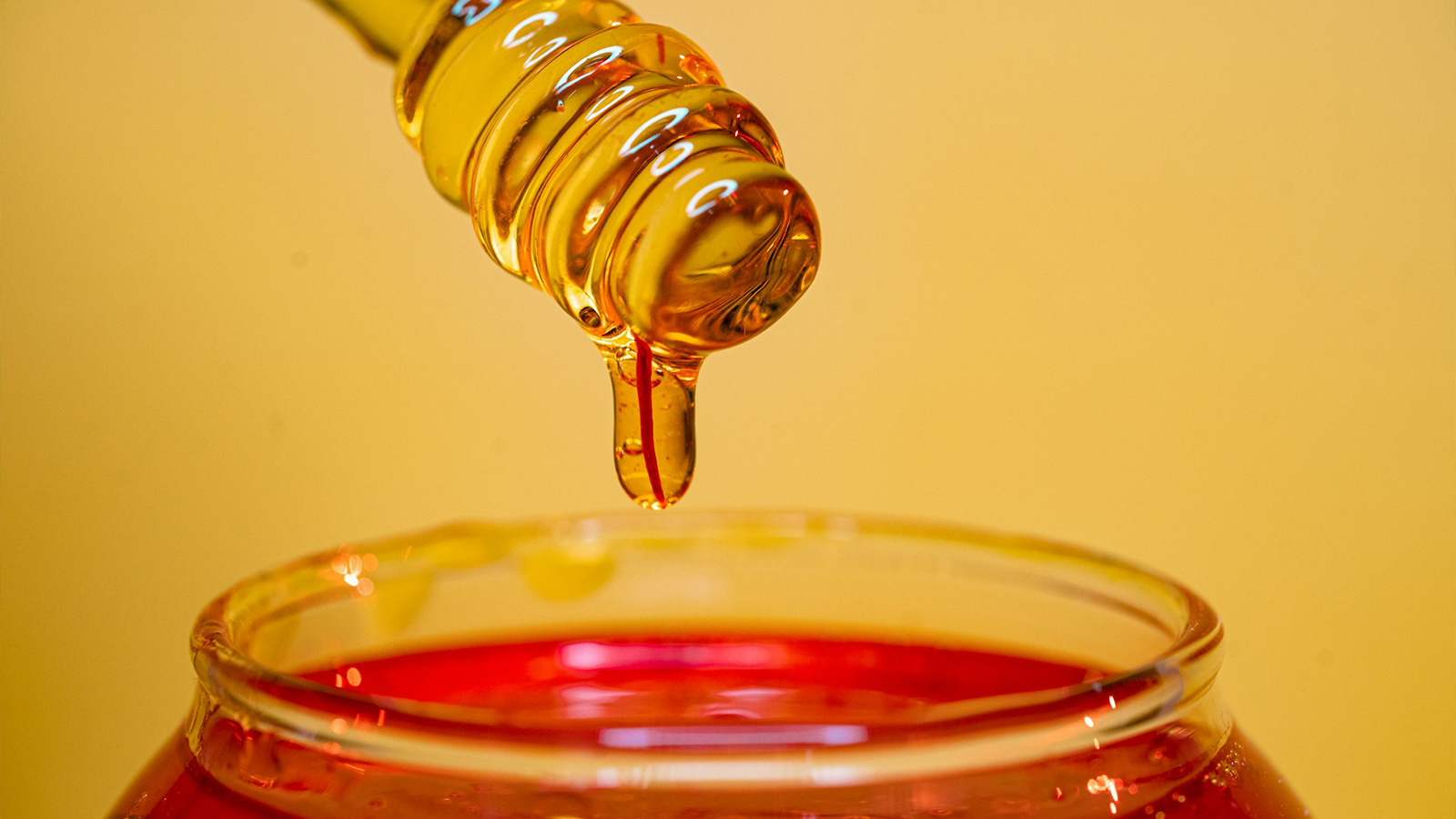
There are several methods that can be used to test […]
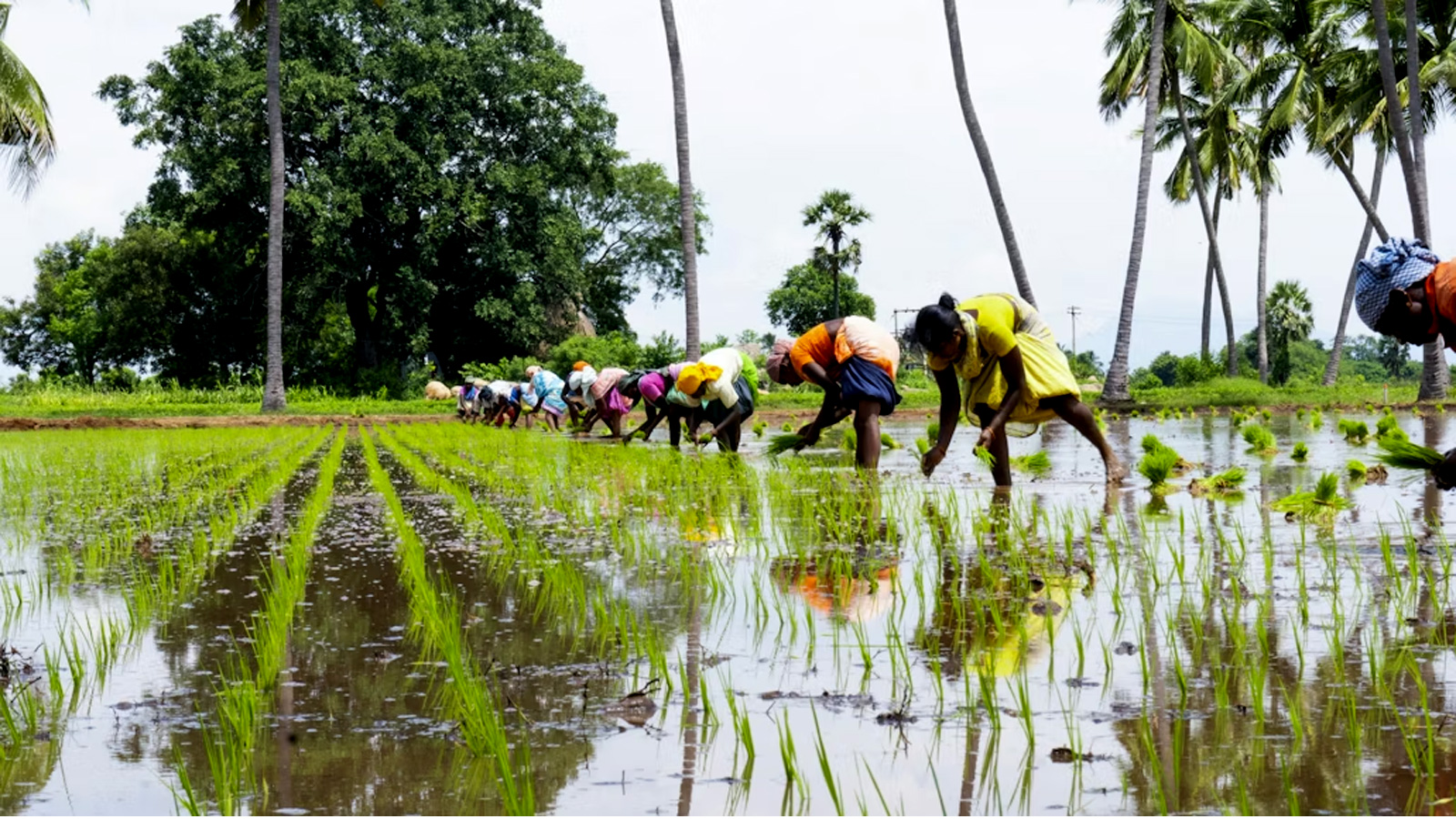
The future of sustainable agriculture in India looks promising, as […]
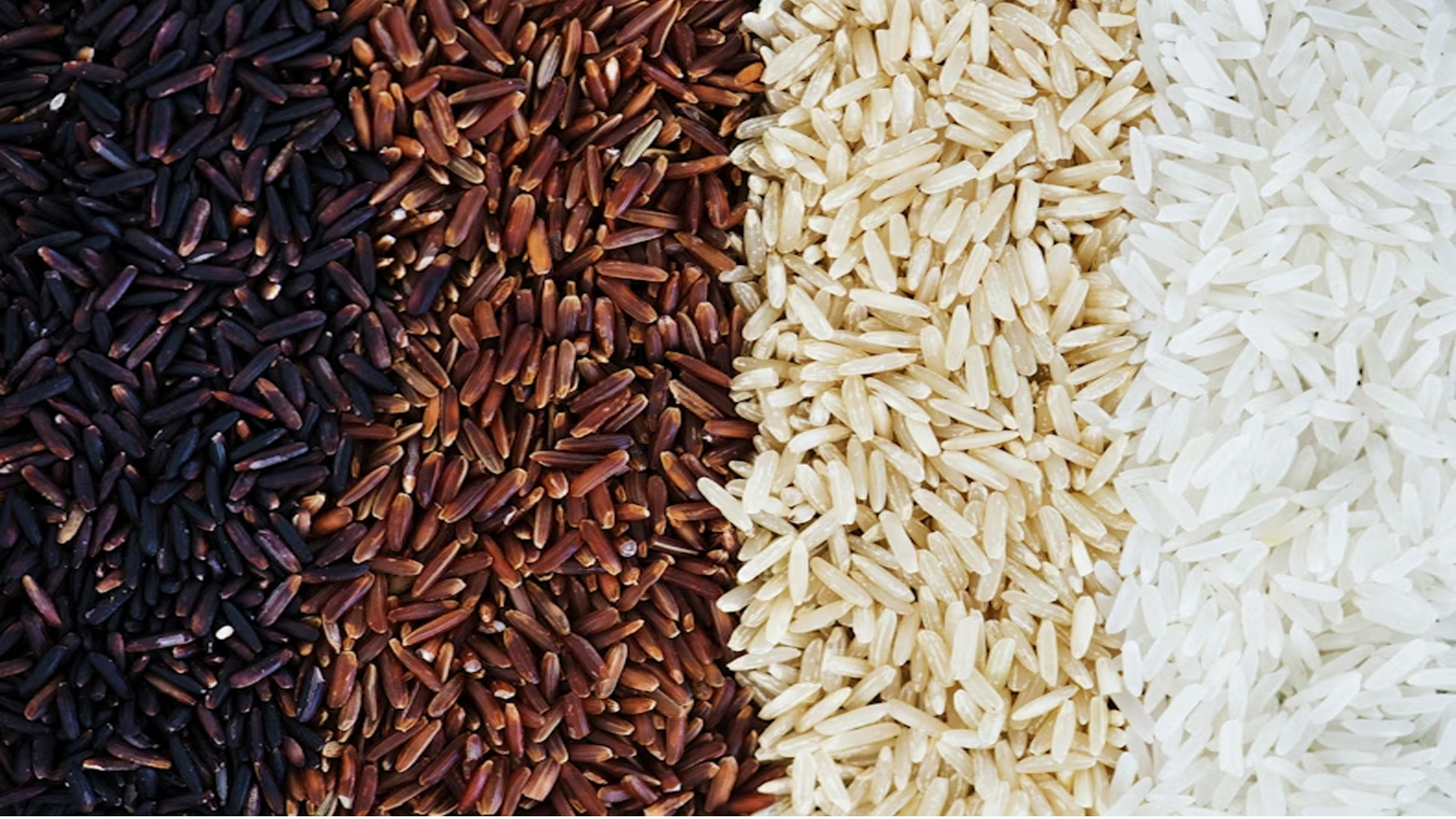
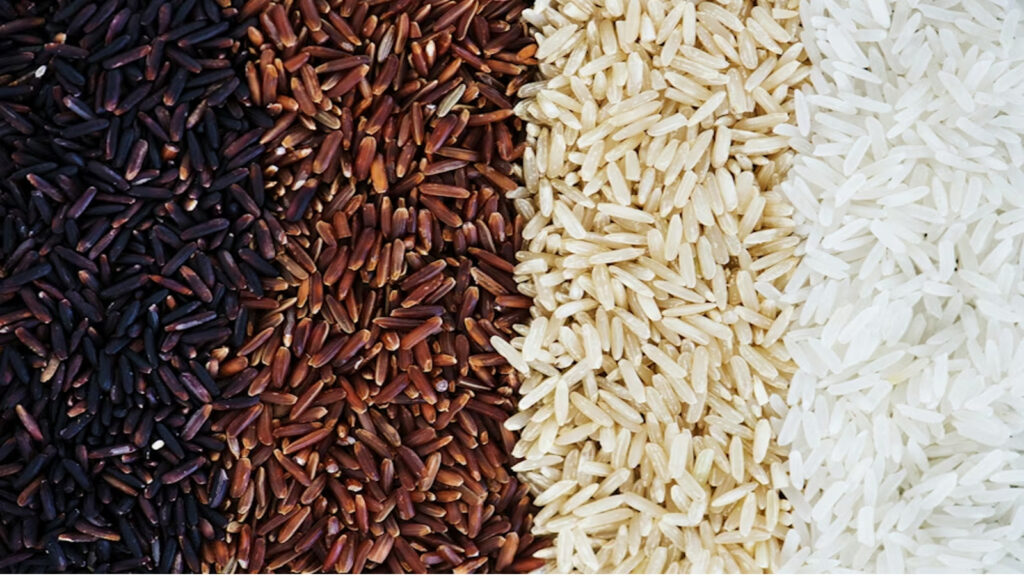
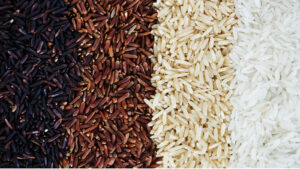
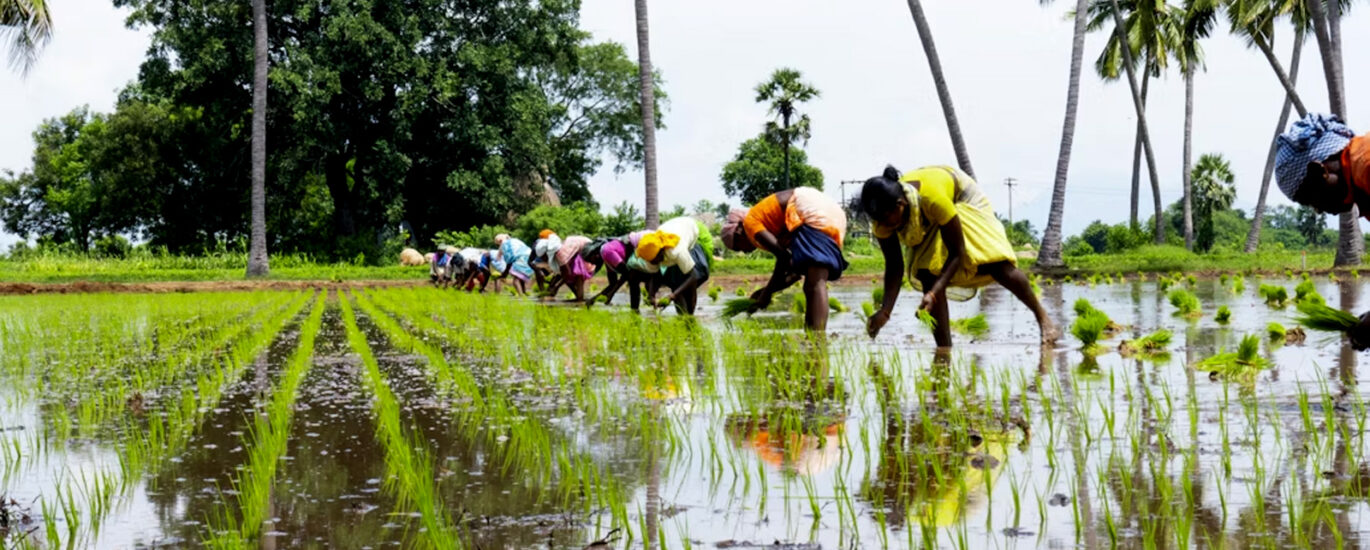
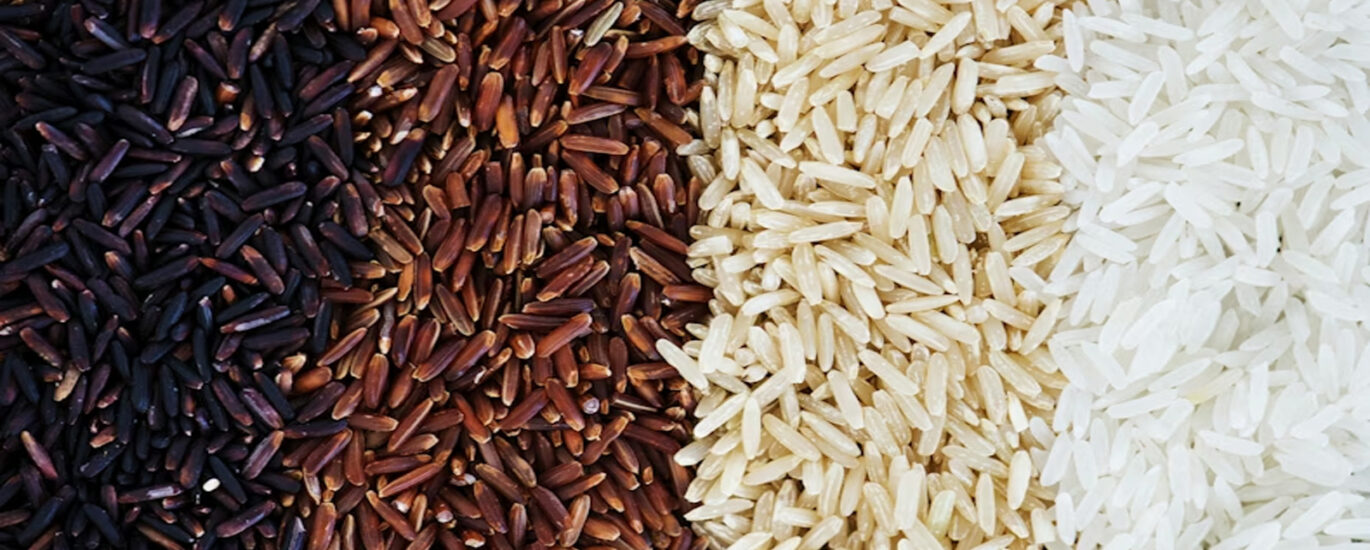
Organic rice and non-organic rice differ in several ways, including […]
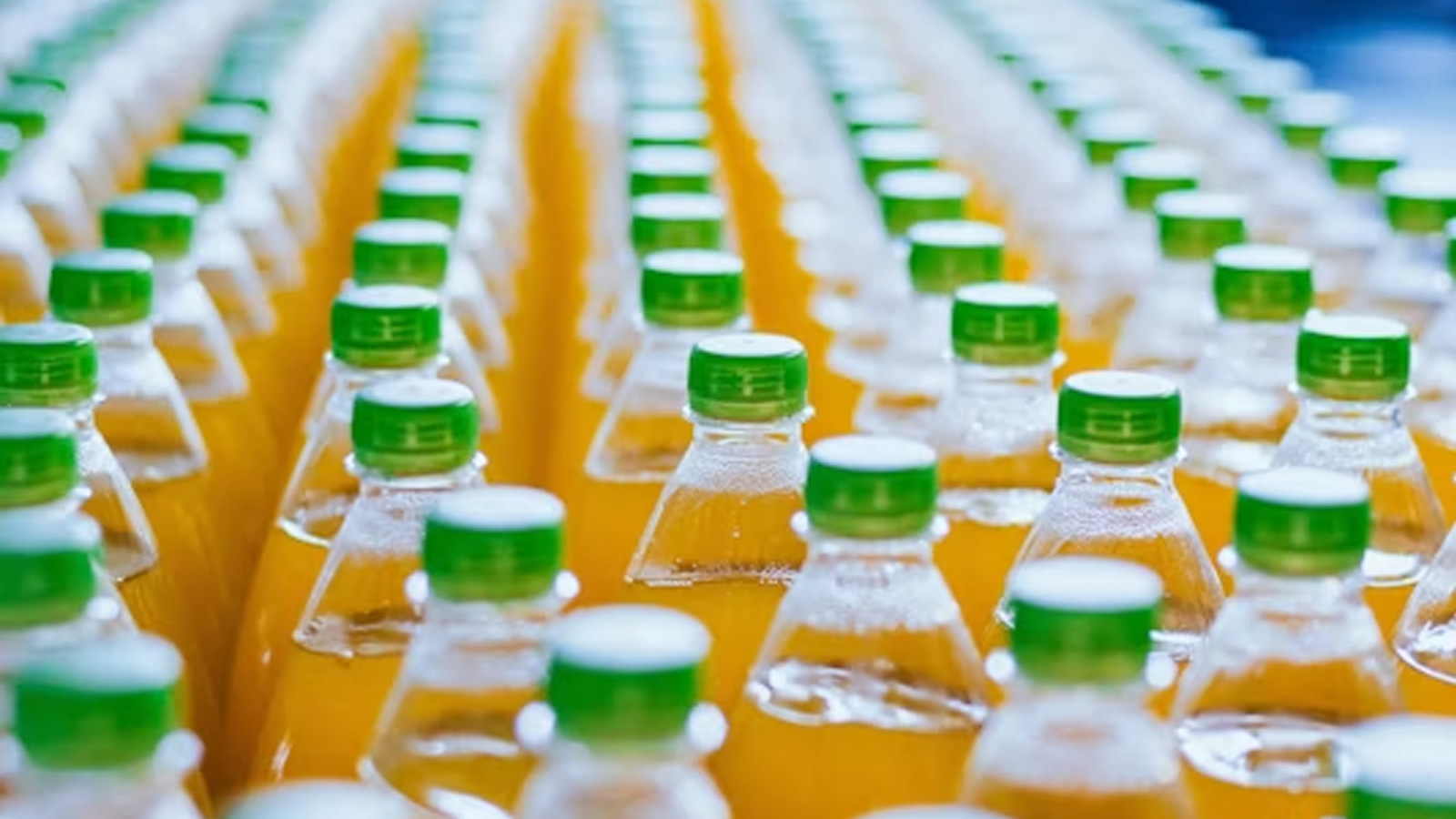
It’s difficult to make a blanket statement about the health […]
Sustainable clothing is a rapidly growing its popularity across the […]
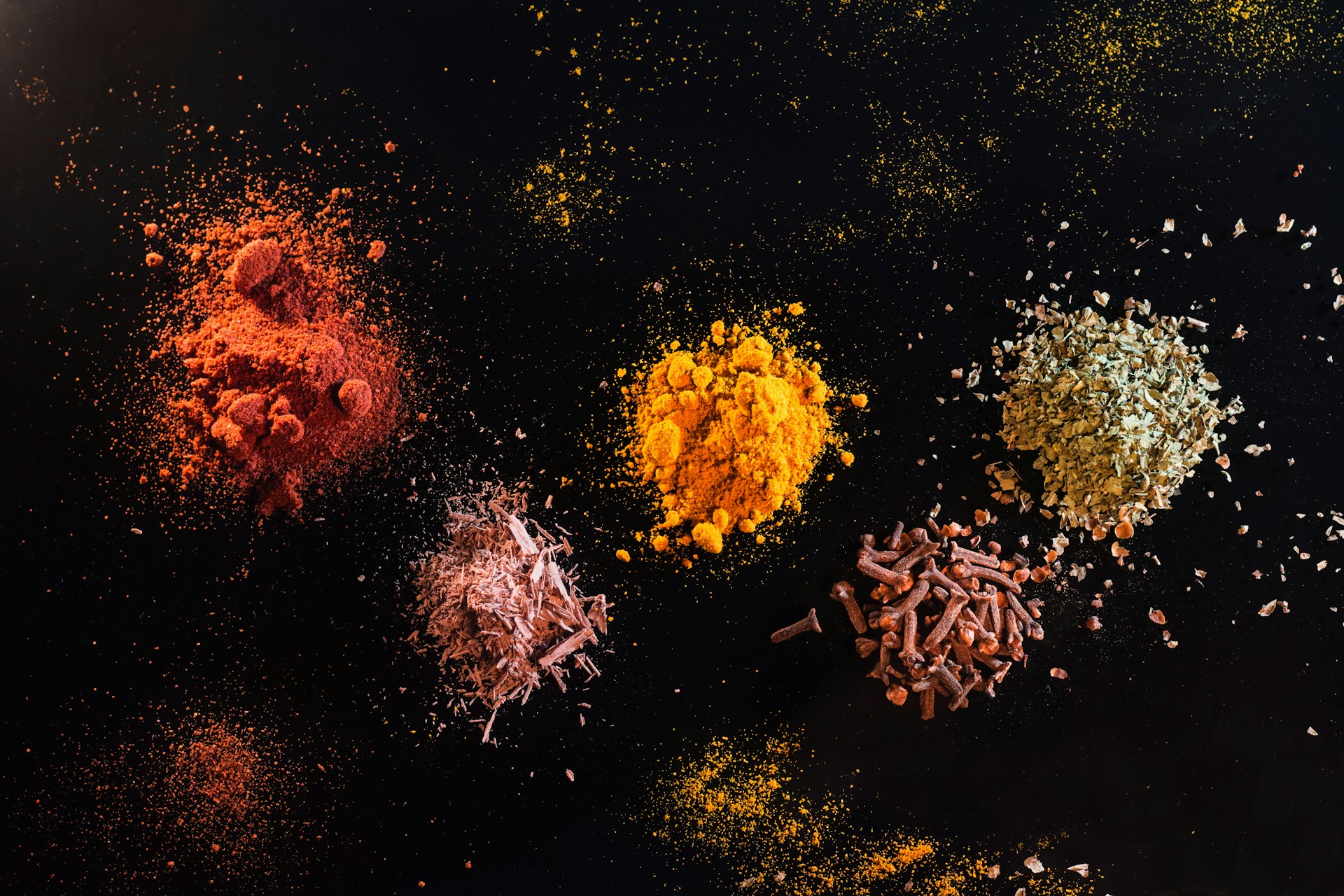
In India, there are several chemicals that are banned or […]