








Sustainability starts at home. Many store-bought cleaning products, toiletries and cooking utensils contain ingredients that can be highly toxic. However, there are easy ways to be safe from them. Some effortless ways will be mentioned here to keep us safe from various indoor hazards and pollutants.
“Home sweet home”, is a common phrase to all of us. Whether we spend our whole day at work or at party or at any other place, we long to come home eventually just to be with our family. Not only we miss our home, we miss the most used furniture there. It is the place, where we feel the safest, like a haven. Here we feel most secure and protected from outer world. We take many precautions to keep it secured from various unwanted hazards like burglars or stray animals. We secure the doors, lock the windows, add security cameras, use home automations like smoke alarms etc.
It’s absolutely necessary to keep our homes safe. However, we sometimes overlook harmful indoor pollutants and their common sources. In fact, indoor pollution can be up to 10 times worse than outdoor air pollution. Complete eradication of the indoor environment pollutants is difficult; we can only limit their presence to make our home safer and pleasant. The common sources are walls, carpets and rugs, kitchen, furniture, housekeeping products and many more. Not only pollutants, we should consider some unhealthy practices like collecting, using and throwing plastic bags everywhere. To be safe from the pollutants, it is advisable to pay attention to the time and place from where the symptoms and pollutants have originated.
Sustainability starts at home. Many store-bought cleaning products, toiletries and cooking utensils contain ingredients that can be highly toxic. However, there are easy ways to be safe from them. Some effortless ways will be mentioned here to keep us safe from various indoor hazards and pollutants.
Enclosed spaces like homes and offices allow pollutants to accumulate, concentrate and deteriorate the air quality. Plastic seems like an unavoidable part of modern life. So it is crucial to separate the good plastics from the ones which can emit harmful chemicals like BPA, BPS, phthalates, xenoestrogens, dioxins into food, beverages and the environment. Laundry detergents can pose a variety of health risks to humans, ranging from minor ones like skin irritation and allergies to severe ones like cancer, poisoning and neurological problems. These chemicals blend in air and water bodies.
Here are some ways to get rid of various indoor toxins and pollutants and to create a safe and healthier home:
- Identify and understand the density of air pollutants at your home. Use one air quality monitor, if possible. This device can be moved from room to room in our homes and offices to determine the concentration of pollutants in various places.
- Inviting clean outdoor air by opening up a window is the easiest way to dilute the contaminated air in your home. However, windows should be kept closed on high pollen count days or if it is very humid outside, which can raise the risk of mold.
- Dust is a leading source of air pollution as it absorbs toxic gases, including volatile organic compounds (VOCs) and radon. Vacuum slowly and methodically at least twice a week to get rid of dust – a common allergen. A vacuum cleaner with a HEPA filter will be an excellent addition.
- Dirty, damaged filters in the furnace and AC will not work and not serve the purpose. So they should be cleaned or changed regularly.
- High humidity can contribute to more air pollution. Installing exhaust fan in washroom, fixing plumbing leaks, using a dehumidifier are common ways to reduce humidity.
- Paints can release trace amounts of toxic gases like VOCs, such as formaldehyde, toluene and acetaldehyde. While painting, it will be safe to use no VOC paints.
- Choose glass storage containers over plastic ones. Glass containers are non-toxic and can be cleaned more easily.
- Metal and plastic cooking-ware and tableware can pose a danger by releasing toxic elements to food. Wooden or earthen options are non-toxic and safer.
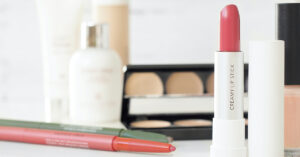
- Pick personal care products after carefully checking the ingredients. Harmful chemicals used in personal care products can lead to indoor pollution. Try to buy natural and organic face care, hair care and skin care.
- Don’t forget the houseplants. Plants work as natural air purifiers by drawing in airborne chemicals and other harmful compounds through their leaves and depositing them to the soil where they are broken down by micro-organisms. Some common examples are Weeping Fig or Ficus, Spider Plant, Snake Plant, Aloe Vera, Bamboo Palm, Chrysanthemum, Lily, Rubber Plant, English Ivy.
Is the above information about indoor air health confusing or worrying to you? There is no need to be stressed or to panic. Here is a secret – you don’t have to do it all at once! You can implement one-step at a time. Start from a point that you feel is suitable and easy. For example, cleaning products of housekeeping are a good place to begin. You may then work on the personal care products like soap, shampoo and face wash. It may take a bit of time to make our home toxin-free; however, the effort to do so is a worthy one.
