









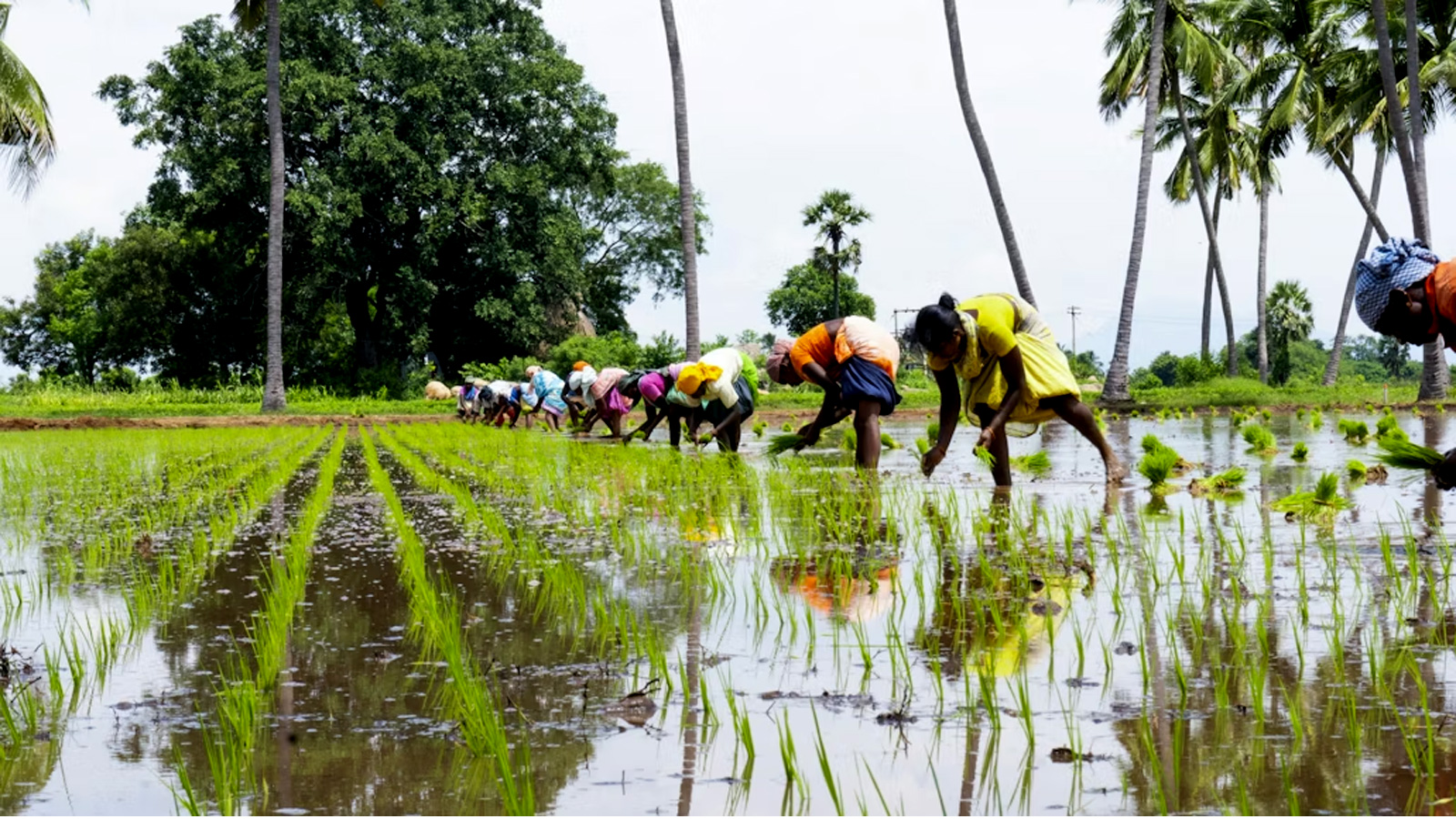
The future of sustainable agriculture in India looks promising, as the country continues to recognize the importance of sustainable agriculture practices for both the environment and the economy. India is the second most populous country in the world, and agriculture is a vital sector that provides food and livelihoods for millions of people. However, the country faces numerous challenges, including soil degradation, water scarcity, and the impacts of climate change.
To address these challenges, India is increasingly turning to sustainable agriculture practices, which aim to reduce the environmental impact of agriculture while also improving yields and profitability. Some of the key trends and initiatives in sustainable agriculture in India include:
Precision agriculture: Precision agriculture is the use of technology to optimize the use of resources in agriculture, such as water, fertilizers, and pesticides. In India, precision agriculture is being used to improve yields and reduce waste, and it is expected to become even more widespread in the coming years.
Water conservation: With water scarcity becoming a major challenge in many parts of India, water conservation is becoming a key focus in sustainable agriculture. Innovations in water-saving irrigation systems, rainwater harvesting, and other techniques are helping farmers conserve water and reduce their dependence on dwindling water supplies.
Sustainable livestock management: India is home to a large and growing population of livestock, and sustainable livestock management is becoming increasingly important to reduce the environmental impact of this sector. This includes the use of feed additives to reduce greenhouse gas emissions, the implementation of rotational grazing systems, and the promotion of sustainable dairy practices.
Organic farming: Organic farming is growing in popularity in India, as consumers seek out food that is free of synthetic pesticides and fertilizers. This trend is being driven by growing awareness of the environmental and health benefits of organic products, and by the increasing demand for organic food both domestically and internationally.
Climate-smart agriculture: Climate-smart agriculture is a new approach to agriculture that seeks to address the impacts of climate change and improve the resilience of agriculture systems. In India, this includes the use of drought-resistant crops, the development of drought early warning systems, and the promotion of conservation agriculture practices that help to conserve soil moisture.
In conclusion, the future of sustainable agriculture in India looks bright, as the country continues to make progress in the development of innovative and sustainable agriculture practices. With a growing population, an expanding economy, and the increasing impacts of climate change, the need for sustainable agriculture has never been greater. By investing in sustainable agriculture, India can ensure a secure and healthy food supply for its people, while also protecting its valuable natural resources for future generations.