









Organic rice and non-organic rice differ in several ways, including the way they are grown and processed, and the presence of chemicals and pesticides.
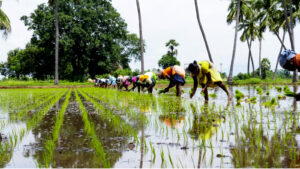
Farming Methods: Organic rice is grown using methods that are free from synthetic pesticides and fertilizers, and instead rely on natural methods such as composting and crop rotation. Non-organic rice, on the other hand, may be grown using synthetic chemicals and pesticides to improve yields and control pests.
Chemical Exposure: Organic rice is grown without the use of synthetic pesticides, which can be harmful to both the environment and human health. Non-organic rice, on the other hand, may contain residue from the pesticides used in its cultivation.
Nutritional Content: While there is limited scientific evidence to support the idea that organic rice is nutritionally superior to non-organic rice, some studies suggest that organic rice may contain higher levels of certain nutrients and antioxidants.
Cost: Organic rice is often more expensive than non-organic rice due to the higher cost of production and the certification process.
Availability: Organic rice may be harder to find in some areas, especially in smaller grocery stores or specialty shops. Non-organic rice, on the other hand, is widely available in most grocery stores.
In conclusion, the choice between organic and non-organic rice ultimately depends on individual preferences and priorities, such as concerns about chemical exposure, environmental impact, and nutritional value. Both types of rice can be part of a healthy diet, but it is important to be mindful of the differences between them.